Rethinking Scholarly Evaluation: Matching Rigor to Purpose
What if the systems designed to protect scientific rigor are also making it harder for new ideas to emerge? Do different scholarly contributions deserve unique forms of evaluation?
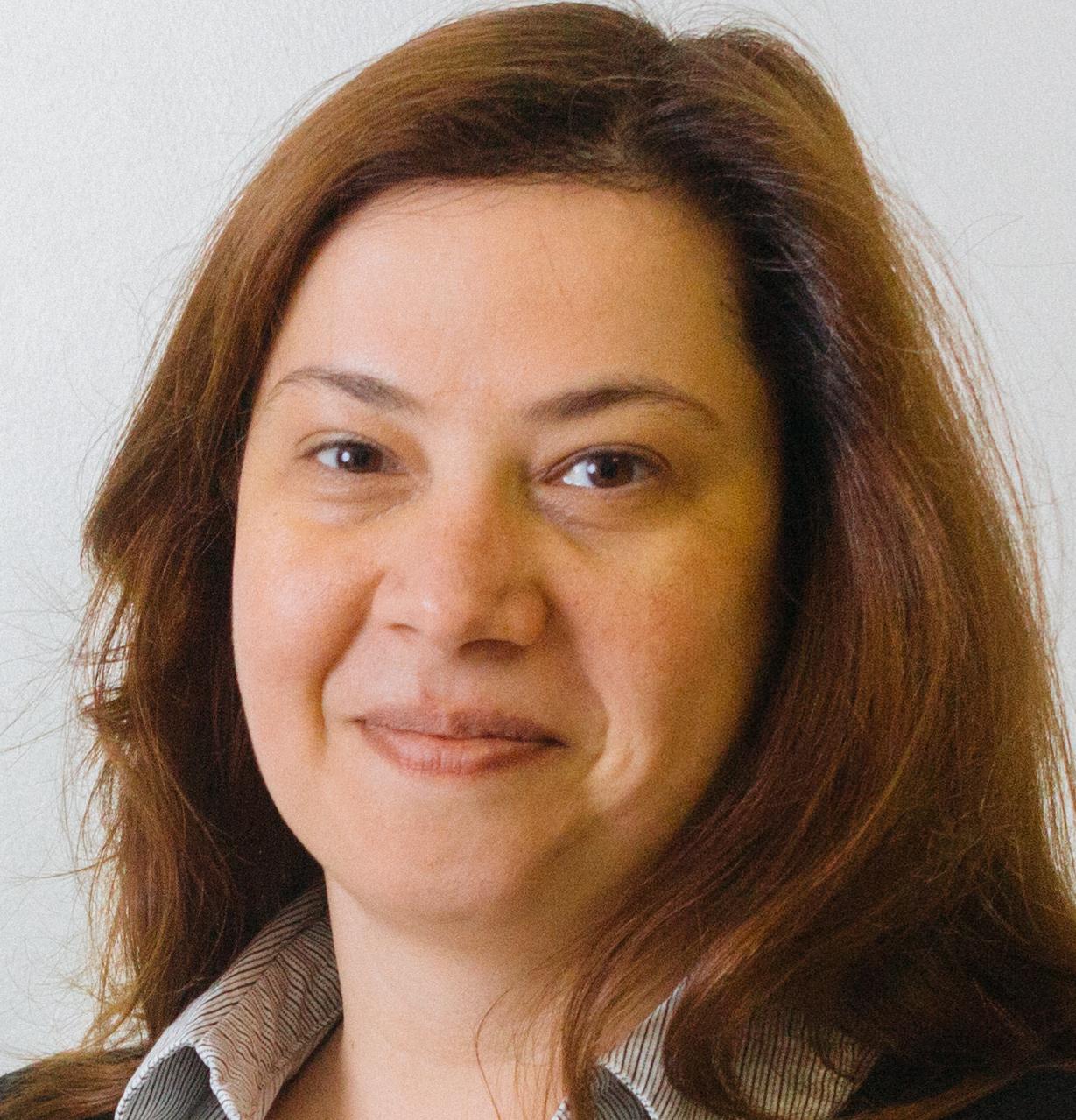
Dr. Maria Machado is a physiologist turned consultant who has explored different formats of peer review, and attempts to bridge the gap between researchers and the academic publishing industry. She has worked with Bio-Protocol, Editage, and Enago to suggest revisions before Reviewer 2 demands them. Lately, as Managing Editor for Science Diffusion and the Science Integrity Alliance, she aims to make research understandable to everyone. Maria writes blogs, teaches courses, and advocates for a new form of scholarly assessment and communication.
What if the systems designed to protect scientific rigor are also making it harder for new ideas to emerge? Do different scholarly contributions deserve unique forms of evaluation?
Open Science 2.0 must focus not only on access, but also on trust, interpretation, learning, and effective communication. The challenge facing the scholarly publishing ecosystem is ensuring that what is open is also trustworthy, understandable, and genuinely useful.
AI in science should not be viewed merely as a productivity tool layered onto existing workflows. It represents a structural shift in how knowledge moves through society, and therefore in how scientific authority is established and maintained.
Today, we share the results of a global community poll that produced the theme for Peer Review Week 2026 (14–18 September): “Peer Review Capacity: Volume, Speed and Quality.”
Today’s guest bloggers assert that the future of the scholarly publishing depends on mastering science communication with the same rigor that global consumer brands apply to marketing.
We are pleased to announce the official theme for Peer Review Week 2025, to be held from 15–19 September 2025.
We’re delighted to reveal the eagerly awaited theme for this year’s Peer Review Week, Innovation and Technology in Peer Review.