Guest Post — SSP Annual Meeting: The Highlights are Coming
Today, members of SSP’s 48th Annual Meeting Program Committee share reflections for all attendees — including those joining the Highlights Webinar on June 17, 2026.
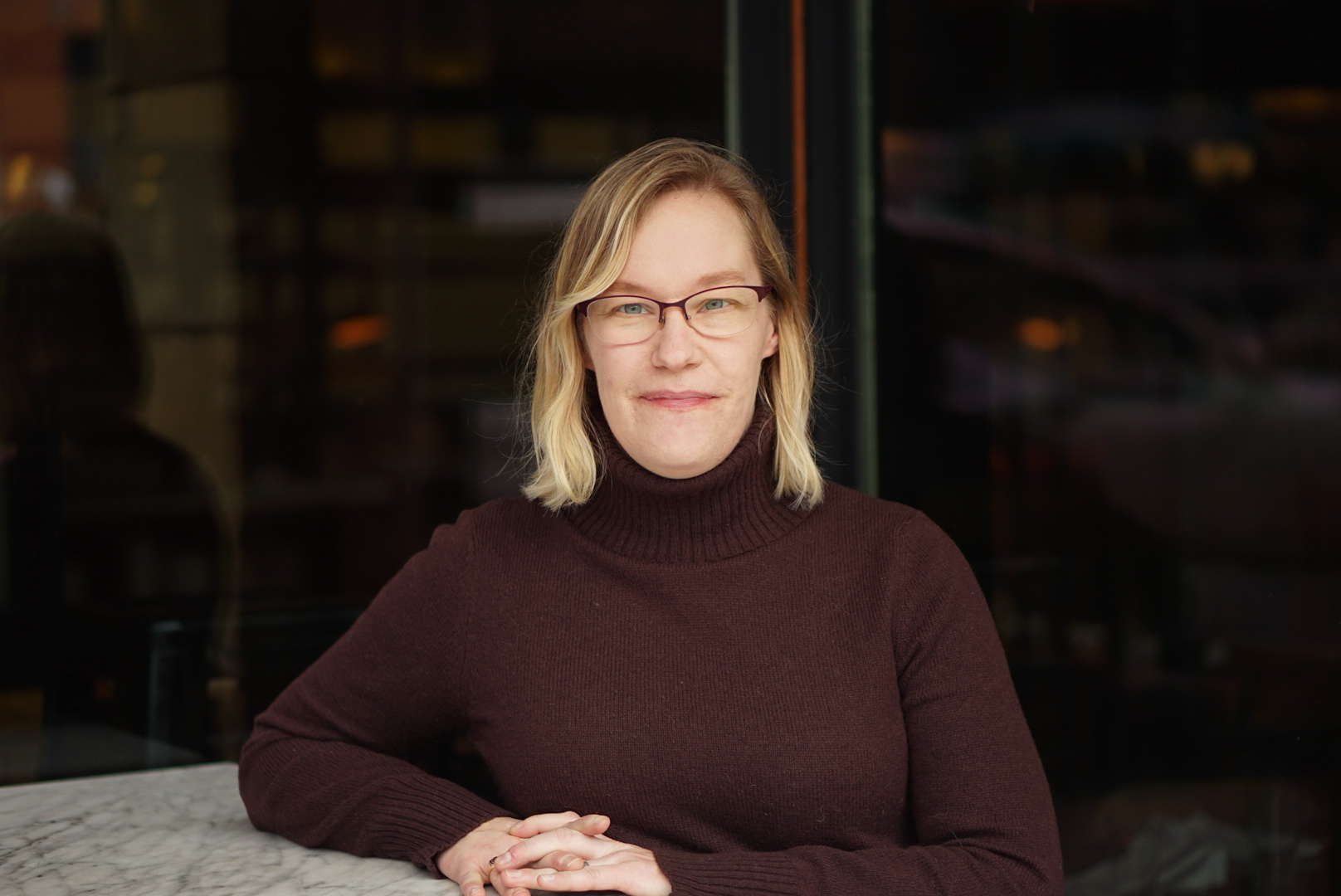
Michelle Urberg is the Head of Data at LibLynx, where she manages COUNTER integrations, analytics reporting, data workflows, and client data needs. She has previously worked for EBSCO Information Services and as a metadata librarian in the ExLibris business unit of Clarivate. Michelle holds a PhD in Music History and an MS in Library and Information Science. She is an active volunteer in SSP, NISO, and ALA. She co-chairs the COUNTER Advisory Committee and is keen on making the world a better place one piece of metadata at a time.
Today, members of SSP’s 48th Annual Meeting Program Committee share reflections for all attendees — including those joining the Highlights Webinar on June 17, 2026.
Today’s guest bloggers spotlight a gap in traditional usage reporting, third-party AI usage, and recommend steps needed to recover missing usage data.
A panel attending the 2023 AUPresses Meeting hosted a conversation about optimizing books metadata and measuring its impact on search experiences in the mainstream web.
Although Google Scholar claims to not use DOI metadata in its search index, a recent study finds that books with DOIs are generally more discoverable than those without DOIs.
Accessible images deliver an inclusive reading experience and unlock the numerous benefits of data-rich accessible images. This post summarizes a 2022 SSP panel offering practical solutions for ensuring scholarly image collections and in-line graphics are fully accessible to all readers.
This week a series of posts looking back at the lessons learned from SSP Meeting DEI sessions. Today’s post looks at “Accelerating DEI: Have the Data? Use the Data!”
What do we really know about the linkages between good metadata and positive, productive user experiences with scholarly journals?
Members of the 2020 class of SSP Fellows share their top take-aways from the recent SSP Annual Meeting.