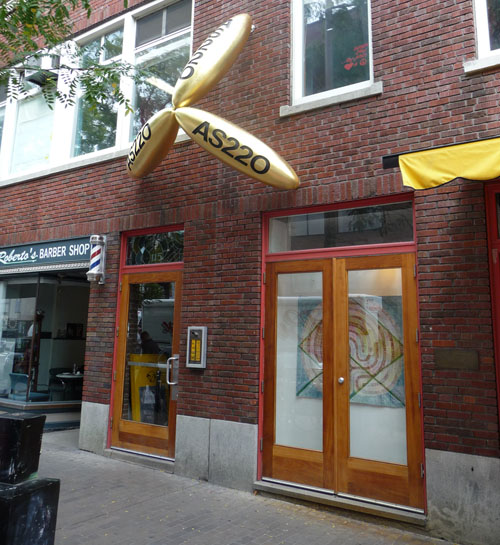
What would SSP IN be without a field trip? Seed Media’s Joy Moore arranged an expedition to community art space AS220 where IN attendees viewed work by local artists, had lunch, and talked with Bert Crenca, AS220’s founder and artistic director.
Crenca described founding AS220 as a space for showcasing original work from (principally) Rhode Island artists and explained its extraordinary growth over the last few years. Today, AS220 includes nightly performances by artists in its performance space; exhibition galleries; an artist-in-residence program; studio spaces for local working artists; and a youth program.
It was interesting to learn how AS220 and Crenca grapple with many of the same issues as publishers. This is perhaps not surprising as AS220 showcases original intellectual property—in the form of art and music—whereas publishers also showcase original intellectual property—in the form of print and online media.
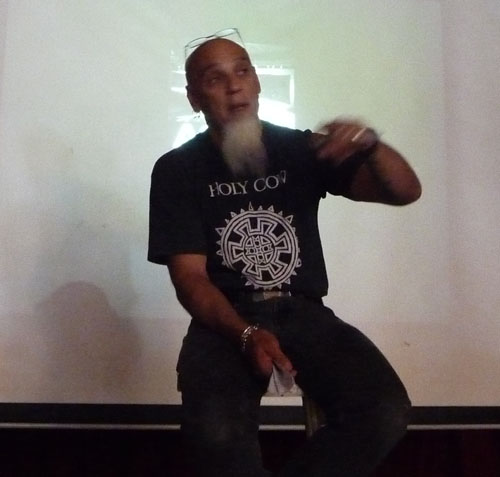
From its inception, AS220 has provided an unjuried space for artists. This format presents a host of challenges—including a waiting list of two years for the gallery space and 2-3 months for the performance space. The central challenge, however, is fostering creativity and innovation while maintaining a vibrant forum for work that the community values. But such challenges are offset by what AS220 believes are the advantages of letting the community—as opposed to judges—assess the work of its artists. Publishers face related challenges with professional online networks and other user-generated content platforms.
Crenca has put a great deal of thought into copyright and the remuneration of artists—a topic with which publishers are more than a little familiar. For example, AS220 will only allow artists to perform original music, works that the artist has obtained permission to perform, or works in the public domain (or available via Creative Commons licenses). They have implemented this policy in response to licensing practices that AS220 thinks are a disservice to artists. This policy has resulted in an interesting side effect: AS220 has accumulated a portfolio of original content that artists can perform or use in mixes. They are also experimenting with new ways to generate income for artists that contribute their works to the growing AS220 music archive.
Crenca also discussed the challenge of managing communities. He describes the sense of ownership that the community of artists, musicians, and patrons in Rhode Island express for AS220, noting that what they do would not be possible without engagement that this sense of ownership brings. That being said, it also creates the challenge of leading an organization with a lot of voices. This is a challenge that many scholarly publishers, who often work with communities of researchers or other discipline-specific professionals, can relate to. At the end of the day, however, Crenca believes this sense of community ownership keeps AS220 honest— focused on its mission and confident it is delivering programs that its community values.
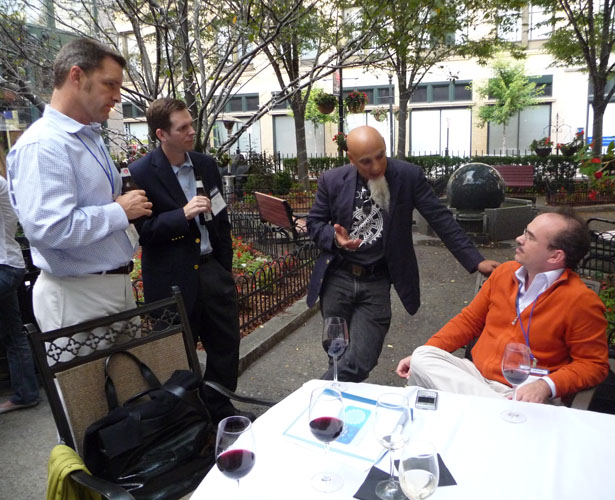
Carol Anne Meyer from CrossRef asked Crenca about how AS220 was coping with managing its current growth spurt. Crenca’s answer was surprising and was in some respects a variation on Netflix’s efforts to escape the management trap (as described previously in the Scholarly Kitchen). Netflix manages growth, and maintains a culture that fosters innovation, through a relentless focus on recruiting and retaining the right people. AS220 does something similar, though they go beyond staffing considerations to recruiting and developing the right people in their community. Crenca described AS220’s youth program, for example, as an “insurance policy” designed to make sure AS220 remains relevant and exposed to fresh ideas.
When asked how AS220 decides what new programs to launch, Crenca provided an observation that I think is applicable to any organization. His observation was that innovation is not possible without passion—and particularly the passion of a single person. While that person will likely need assistance and support from others (in the form of staff, volunteers, and financial resources), without this singular vision and motivation to make the vision a reality, new programs are far less likely to succeed.
![Reblog this post [with Zemanta]](http://img.zemanta.com/reblog_e.png?x-id=33b5bc70-77f6-4390-b042-7a09f1974004)