- Image via Wikipedia

Selected Post: When Did Print Become an Input?
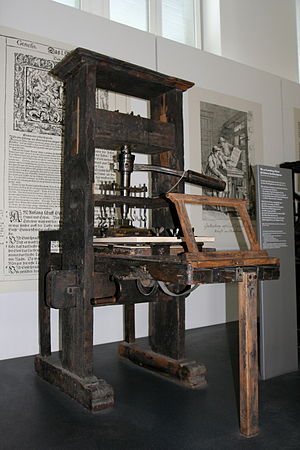
Content and technology have always been inseparable elements in the user experience, as highlighted in my post earlier this year entitled, When Did Print Become an Input. Historically, that experience was delivered through print. In fact, print technology is so ingrained in our organizations that it is no longer regarded as technology at all — it is simply part of the status quo. Editors and publishers create “experiences” that naturally work in print without needing technology support or education.
However, in many organizations, the only experts in digital delivery technology are in IT. Some organizations even feel that a technical understanding of current delivery options is not critical to the editorial function. Again, there’s the idea that we can create content now and worry about how we’re delivering it later, which is essentially a linear, print-focused view.
But that doesn’t work anymore. The speed and nature of innovation in the content industry makes it almost impossible to compete if editorial and publishing resources are not highly literate in the ways in which technology impacts the customer’s content use and expectations.
It has become imperative that editors and publishers have the ability to experiment and refine user experience through all content delivery mechanisms. Content creators and designers shouldn’t just be familiar with these technologies on an abstract level. They need to know how to use them – just like they’ve been using print for years!


Discussion
1 Thought on "Ann's Pick for 2010: Print Isn't the Technology of Today . . . or Tomorrow"

I couldn’t agree more. And in scholarly book publishing, publishers will never be able to get much beyond the idea of an e-book as a digital facsimile of print (with maybe a few bells and whistles added unless they really understand what the new medium is capable of doing to transform the whole notion of what the “book” can be as a digital object.